Executive Key Takeaways for Texas Developers and Project Owners
- 6% to 12% Lower Total Final Project Cost: Design-Build EPC projects eliminate the adversarial change-order gap inherent in low-bid Design-Bid-Build plans.
- 33% Faster Total Delivery Speed: Overlapping design, steel procurement, and site grading compresses total project duration from concept to Certificate of Occupancy.
- Early Cost Certainty at 30% Design (Progressive GMP): Developers lock in verified structural, civil, and equipment pricing before spending six figures on 100% architectural drawings that may exceed budget.
- Direct Factory-to-Field Value Engineering: Integrating direct equipment and structural fabrication strips out multi-layer dealer and subcontractor markups.
1. The Structural Flaw in Traditional Design-Bid-Build (Hard Bid) Budgeting
Every commercial developer and industrial plant owner in Texas has experienced the same budgeting trap under traditional Design-Bid-Build (Hard Bid) delivery: an outside architectural or engineering firm spends six months producing 100% construction drawings in a vacuum, only for hard bids from general contractors to come back 25% to 40% over the owner’s pro-forma budget. The owner then loses months paying for value-engineering redraws while steel and material prices climb further.
Furthermore, under a Hard Bid lump-sum contract, contractors bid the literal minimum shown on the drawings. Any omission, ambiguous detail, or underground conflict immediately becomes a high-margin Change Order Request (COR), pitting the architect against the contractor while the owner pays the bill.
Under Turnkey Design-Build / EPC delivery with Trident Structures, engineering and estimating work side-by-side from Day 1. Every structural bay spacing decision (PEMB vs. conventional steel), civil detention layout (Tarrant County permitting), and process equipment package (modular process skids) is priced in real time against live Texas mill, shop, and craft labor rates.
2. Executive Financial Comparison: Design-Build EPC vs. Hard Bid
The table below quantifies the financial, schedule, and risk differences across Texas commercial and industrial capital projects:
| Evaluation Parameter | Trident Turnkey Design-Build / EPC | Traditional Fragmented Approach | Net Owner Advantage |
|---|---|---|---|
| Point of True Budget Certainty | At 25-30% FEED Concept Design (Open-book Progressive GMP) | Only after 100% IFC drawings and 6-8 months of design fees | Locks Budget 4-6 Months Earlier |
| Post-Award Change Order Rate | Under 1.5% (Owner-initiated scope additions only) | 6% to 12% average from plan omissions & RFIs | Saves $300k-$900k on $10M Build |
| Value Engineering (VE) Efficiency | Continuous real-time VE during 3D modeling at zero redraw cost | Painful post-bid redesigns delaying project launch by 60+ days | Zero Redesign Delay or Fee Waste |
| Owner Contingency Requirement | 3% to 5% construction contingency | 10% to 15% recommended contingency for hard-bid gaps | Frees Up Working Capital & Equity |
| Material Escalation Protection | Early steel & equipment buyout locks mill pricing immediately | Exposed to 6-9 months of market price inflation during design | Insulates Against Steel Spikes |
| Total Concept-to-Completion Speed | 30% to 40% faster via overlapping design, permit, and shop fab | Strictly linear: Design -> Bid -> Redesign -> Award -> Build | Earlier Revenue & Lease Cash Flow |
Table 1: Quantified commercial and industrial project execution comparison across North Texas developments. Swipe horizontally on mobile devices.
3. How Progressive GMP Locks CapEx at 30% Engineering
The financial engine of modern commercial and industrial Design-Build is the Progressive Guaranteed Maximum Price (GMP) structure. Instead of asking contractors to guess lump-sum prices on incomplete sketches—or waiting half a year for 100% drawings—Trident Structures establishes a transparent, line-item target budget at the 30% Front-End Engineering Design (FEED) milestone.
At the 30% gate, soil borings, site grading quantities, foundation pier counts, structural steel tonnage, and major process equipment specs are defined to within +/- 5%. This allows the owner to close construction financing and authorize immediate steel procurement while final MEP and architectural details are completed in parallel—a core pillar of our DFW commercial GC and EPC selection guide.
4. OSHA Safety, Code Compliance, and Contingency Preservation
CODE-COMPLIANT VALUE ENGINEERING & OSHA RISK CONTROL
OSHA & CODE PASS: VERIFIEDTrue value engineering reduces capital cost through smarter structural and fabrication geometry—never by cutting safety or code compliance:
5. Engineering Schematic: CapEx Cost-Influence Curve Across Project Phases
The engineering schematic below illustrates how Trident Structures integrates front-end engineering, shop fabrication, and parallel site execution:
CAPITAL EXPENDITURE (CAPEX) RISK CURVE: DESIGN-BUILD EPC VS. HARD BID
6. Eliminating Subcontractor Markups Through Self-Perform Fabrication
In a traditional hard-bid project, capital budgets suffer from margin stacking: an equipment manufacturer marks up materials to a regional distributor, who marks them up to a mechanical subcontractor, who adds overhead and profit before submitting a bid to a general contractor, who adds another general conditions and fee markup to the owner.
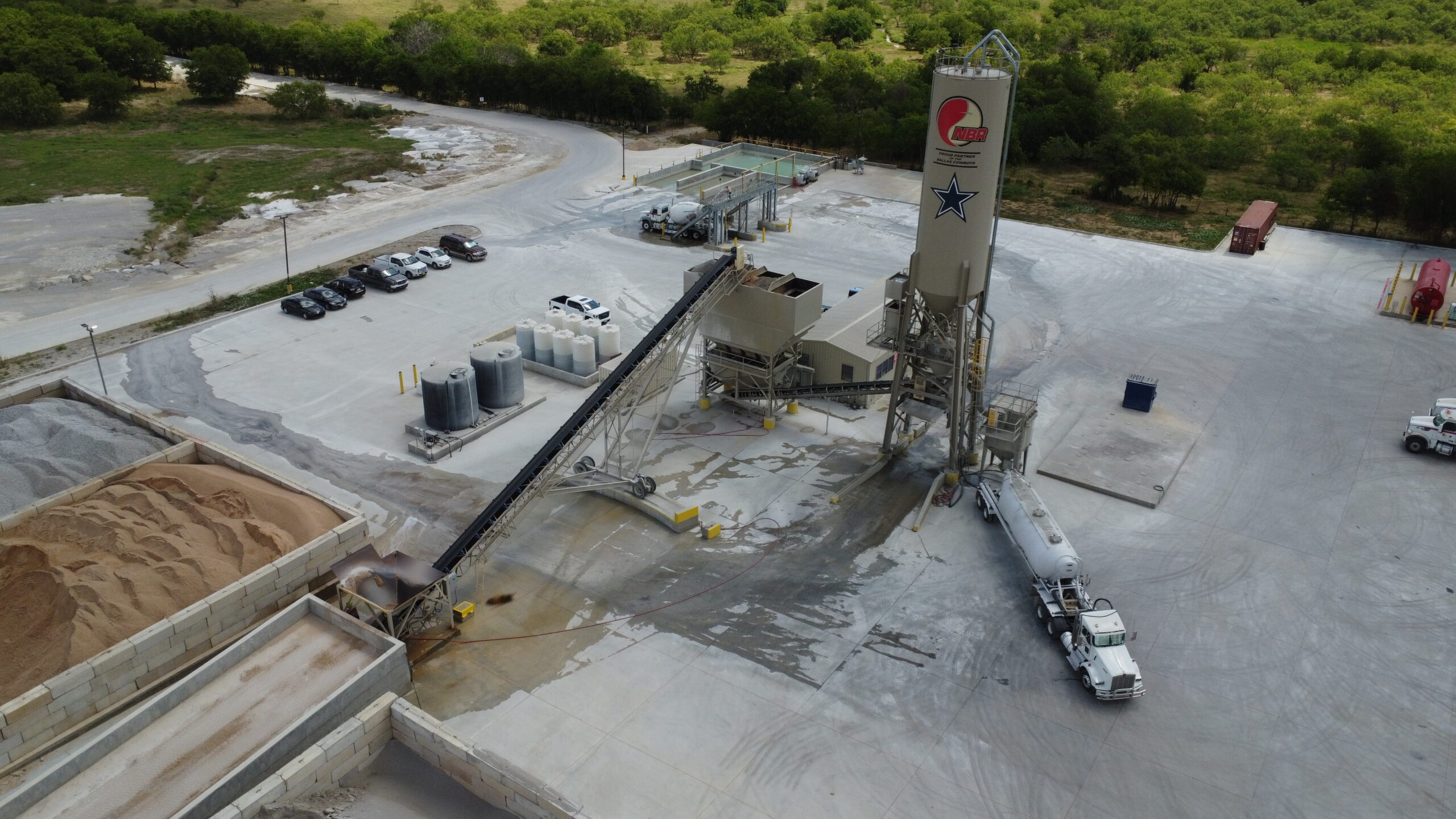
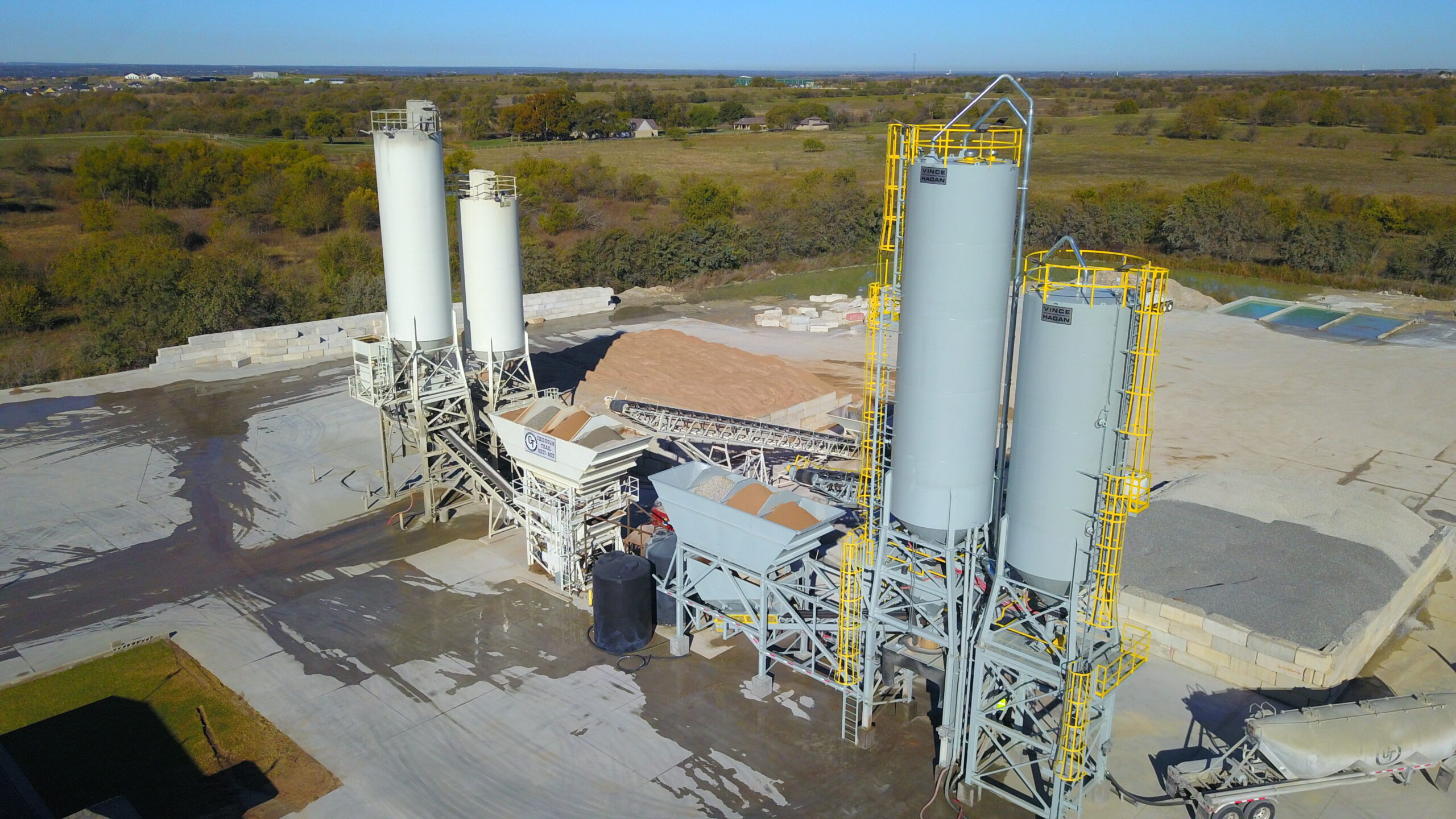
- Direct Factory-to-Field Integration: Because Trident Structures designs and manufactures custom concrete batch plants, silos, aggregate conveyors, structural steel, and modular skids in-house (view Trident products), developers buy directly from the manufacturer and EPC builder in one contract.
- Zero Subcontractor Scope Gaps: Internal coordination between civil foundations, anchor bolt templates, structural erection, and equipment setting eliminates the costly “division-of-work” gaps where hard-bid subcontractors refuse to connect adjacent systems without a change order.
7. 5-Point Commercial Budget Protection Protocol for Texas Developers
To keep your next Texas commercial or industrial construction budget on target from concept through final sign-off, implement these 5 controls:
- Lock Geotechnical & Topographic Data in Week 1: Never set a sitework budget before soil borings and civil detention volume calculations are completed.
- Release Long-Lead Steel & Switchgear Early: Use a two-stage Notice to Proceed (LNTP) to lock structural steel mill pricing and electrical switchgear lead times at 30% design.
- Mandate Open-Book Cost Transparency: Require your Design-Build EPC partner to share itemized trade breakdowns, steel tonnage rates, and shared-savings clauses.
- Standardize Modular & Pre-Engineered Components: Leverage off-site modular skids and pre-engineered framing wherever operational specs allow.
- Submit a Clear Performance Specification RFP: Define your required throughput, clear height, crane hook height, and target occupancy date via our Trident Structures RFP & Consultation Intake Form.
8. When Hard Bidding Remains Appropriate for Standardized Scopes
While Design-Build EPC delivers superior budget and schedule performance on complex commercial and industrial builds, traditional Hard Bidding can still be used when:
- Simple, Repeatable Civil Paving or Fencing: Standalone unit-price site paving, basic utility trenching, or perimeter fencing where 100% of quantities are already engineered and zero design coordination is needed.
- Statutory Government Bid Mandates: Publicly funded projects legally restricted from utilizing design-build or competitive sealed proposals.
9. Frequently Asked Questions (FAQ)
In an open-book Progressive Design-Build / EPC contract, Trident Structures competitively bids specialty trade packages (such as MEP, fire protection, and paving) across multiple pre-qualified Texas subcontractors and shares the bid tabs transparently with the owner, while self-performing core structural and fabrication scopes at audited market rates.
Developers typically save 30% to 50% on upfront pre-construction design fees and avoid 100% of ‘redesign fees’ because engineering is tailored directly to the target construction budget from the first concept sketch.
You do not need finished architectural plans. Simply provide your target site location or acreage, approximate building square footage and clear height (or required plant throughput/equipment specs), and target completion window through our contact page, and our engineering team will prepare a conceptual layout and budget range.
10. Submit Your RFP or Request a Design-Build Budget Estimate
Partnering with Trident Structures during early project feasibility locks in structural cost certainty, accelerates municipal permitting, and eliminates multi-party change orders across Texas commercial and industrial developments.
Ready to Fast-Track Your Next Texas Commercial or Industrial Build?
Connect directly with Trident Structures in Fort Worth for turnkey design-build pricing, structural steel fabrication, concrete batch plants, and modular EPC execution.
Request an Engineering Consultation